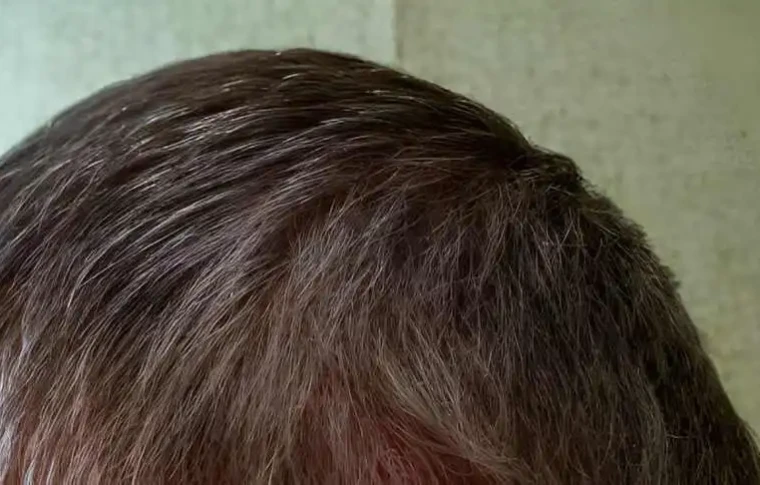
Dealing with hair loss can be a real bummer, right? You look in the mirror and notice more scalp than hair, and it’s easy to feel a bit lost. While there are a ton of products out there, many people are turning to nature for solutions. The good news is, you don’t always need fancy chemicals to help your hair. This guide is all about exploring what natural ingredients stop hair loss and how you can use them to get your hair back to looking its best. We’ll cover everything from what you eat to what you put on your scalp.
Key Takeaways
- Many natural ingredients, like aloe vera and rosemary oil, can help support a healthier scalp and encourage hair growth.
- The foods you eat play a big role; making sure you get enough protein, vitamins, and healthy fats is key for strong hair.
- Lifestyle factors such as managing stress and getting enough sleep can also make a difference in preventing hair loss.
- Gentle hair care practices, like avoiding tight hairstyles and harsh treatments, help protect your hair from breakage.
- Natural remedies are often more affordable and gentler than synthetic options, making them a popular choice for many.
Understanding Natural Ingredients For Hair Loss
The Growing Popularity of Natural Remedies
Lately, a lot more people are looking into natural ways to deal with hair loss. It makes sense, right? We’re often trying to avoid harsh chemicals in our everyday products, and hair care is no different. Many folks feel that natural options might be gentler on their scalp and hair compared to some of the more intense treatments out there. Plus, the idea of using things straight from nature to help our hair grow back feels pretty appealing. It’s not just about stopping hair loss; it’s about supporting overall hair health in a way that feels more in tune with our bodies. This shift towards natural solutions means we’re seeing more interest in ingredients that have been used for ages, often passed down through generations, alongside newer discoveries.
How Natural Ingredients Support Hair Growth
So, how exactly do these natural ingredients help with hair growth? It’s not magic, though it can sometimes feel like it! Many natural ingredients work by targeting the scalp and hair follicles directly. Some help improve blood flow to the scalp, which is super important for delivering nutrients to where they’re needed. Others have properties that can help calm an irritated scalp or reduce inflammation, creating a better environment for hair to grow. Think of it like preparing good soil for a plant to thrive. Some of the best ingredients to stop hair loss work by nourishing the hair shaft itself, making it stronger and less prone to breaking. It’s a multi-pronged approach that focuses on both the root of the problem and the visible hair.
Safety and Affordability of Natural Treatments
One of the big draws of natural treatments for hair loss is that they’re often quite safe and don’t break the bank. Unlike some medical treatments that can have a long list of side effects or require expensive procedures, many natural remedies use ingredients you can find at your local grocery store or health food shop. This makes them accessible to a lot more people. Of course, it’s always a good idea to do a patch test if you’re trying a new ingredient topically, just to be sure. But generally speaking, using things like plant extracts or oils is a much gentler approach. It’s a relief to know that you can try to address hair thinning without worrying about harsh chemicals or a huge bill. For those looking for gentle yet effective solutions, exploring options like a natural biotin shampoo can be a great starting point.
Many natural ingredients work by improving the scalp’s condition, which is the foundation for healthy hair growth. A healthy scalp can mean stronger follicles and less breakage.
Botanical Powerhouses For Scalp Health
When you think about natural ingredients for hair, plants probably come to mind first. And you’re not wrong! Many plants have properties that can really help your scalp and, by extension, your hair growth. It’s like giving your scalp a spa treatment, but with stuff you might even find in your kitchen or garden.
Aloe Vera and Jojob Oil have Soothing and Restorative Properties
Both of these ingredients arepretty famous for their skin-soothing abilities, and it works wonders for your scalp too. They have enzymes that can help get rid of dead skin cells that might be clogging up your hair follicles. Plus, anti-inflammatory properties can calm down an irritated scalp, which is a big deal if you’re dealing with itchiness or redness. A happy scalp is a good place for hair to grow, right?
- Soothes irritation
- Moisturizes the scalp
- Helps clear dead skin cells
- Stops inflamation on the scalp
Rosemary Oil’s Stimulating Effects
Rosemary oil is one of those ingredients that people have been talking about for ages when it comes to hair. Some research suggests it might be as good as certain store-bought treatments for hair loss. The idea is that it helps improve circulation to your scalp. Better blood flow means more nutrients and oxygen can get to your hair follicles. It’s like giving them a little pep talk to get them working better. You usually need to mix it with a carrier oil, like coconut oil, before putting it on your scalp, so it doesn’t irritate your skin.
Peppermint Oil for Circulation and Growth
Peppermint oil is another one that tingles when you put it on, and that’s actually a good sign! That tingle usually means it’s increasing blood flow to the area. Studies, mostly in animals, have shown that peppermint oil can actually help hair grow. It’s thought to work by widening blood vessels, which, again, means more good stuff reaching those hair roots. Just like rosemary oil, it’s best to dilute peppermint oil with a carrier oil before applying it to your scalp to avoid any unwanted reactions.
Nutrient-Rich Foods That Combat Hair Loss
What you eat really does make a difference when it comes to your hair. It’s not just about what you put on your scalp, but what you put in your body. Think of your hair follicles like tiny plants; they need the right nutrients to grow strong and healthy. When your diet is lacking, your hair is often one of the first places to show it.
The Role of Protein in Hair Structure
Your hair is mostly made of a protein called keratin. So, it makes sense that getting enough protein in your diet is super important for hair growth. If you don’t eat enough protein, your body might start to ration the protein it has, sending it to more vital organs instead of your hair. This can lead to hair thinning or even temporary hair loss. Good sources of protein include lean meats, fish, eggs, and dairy. For plant-based eaters, beans, lentils, nuts, and seeds are great options. Quinoa is also a fantastic whole grain that packs a protein punch.
Essential Vitamins and Minerals for Hair Follicles
Beyond protein, a whole host of vitamins and minerals play a part in keeping your hair healthy. Iron is key for carrying oxygen to your hair follicles. Without enough iron, your hair might become brittle. Vitamin C helps your body absorb iron better, and it’s also an antioxidant. B vitamins, especially biotin (B7), are often talked about for hair health, as they help create red blood cells that carry oxygen and nutrients to the scalp. Vitamin D is also important for hair follicle cycling. You can find these in a variety of foods like leafy greens, fruits, whole grains, and fatty fish. Getting enough of these nutrients can help support your hair’s natural growth cycle and prevent hair loss.
Healthy Fats to Enhance Nutrient Absorption
Don’t shy away from healthy fats! They are really useful for your hair. Foods rich in healthy fats, like avocados, nuts, and seeds, can help improve blood flow to your scalp. Better circulation means more nutrients can reach your hair roots. Plus, these fats can help your body absorb other important nutrients more effectively. Think of them as helpers that make sure all the good stuff you eat actually gets to where it needs to go for hair growth. A diet that includes these healthy fats can contribute to stronger, more vibrant hair.
A balanced diet is your first line of defense against hair thinning. Focusing on whole foods provides the building blocks your hair needs to stay strong and grow.
Here’s a quick look at some key players:
- Protein: The building block of hair (keratin).
- Iron: Carries oxygen to follicles.
- B Vitamins (especially Biotin): Supports red blood cell production.
- Vitamin C: Aids iron absorption and acts as an antioxidant.
- Vitamin D: Helps regulate hair follicle cycles.
- Healthy Fats: Improve scalp circulation and nutrient absorption.
Lifestyle Adjustments Supporting Hair Retention
Beyond the topical treatments and dietary changes, how you live your life plays a pretty big role in keeping your hair. It’s not just about what you put on your head or in your stomach; it’s about your daily habits and overall well-being. Think of it as creating a supportive environment for your hair to thrive.
Stress Reduction Techniques for Hair Health
We all know stress is bad for us, but it can really mess with your hair, too. When you’re stressed out, your body pumps out this hormone called cortisol. Too much cortisol can push your hair follicles into the shedding phase way too soon. It’s like your body prioritizes other functions over hair growth when it’s under pressure. So, finding ways to chill out is actually good for your hair.
- Regular Exercise: Even a brisk walk can get your blood flowing better, including to your scalp. It helps deliver more nutrients to the roots.
- Meditation and Deep Breathing: Spending just a few minutes each day focusing on your breath can make a difference in calming your nervous system.
- Hobbies and Downtime: Make sure you’re carving out time for things you enjoy. Whether it’s reading, listening to music, or spending time with friends, these activities help lower overall stress levels.
Managing stress isn’t just about feeling better; it’s a proactive step in preventing hair loss and encouraging healthier growth cycles.
The Importance of Adequate Sleep
Sleep is when your body does its best repair work, and that includes your hair. When you don’t get enough shut-eye, your body’s normal processes get disrupted, and that can impact hair growth. Aiming for 7-8 hours of quality sleep each night gives your body the time it needs to regenerate and keep your hair follicles healthy. It’s a simple, yet often overlooked, part of hair care. For some, getting enough rest might be easier with a consistent sleep schedule, which you can learn more about here.
Gentle Hair Care Practices to Prevent Breakage
How you treat your hair day-to-day matters a lot. Harsh treatments and rough handling can lead to breakage and damage to the follicles over time. Think about it: your hair gets weaker as you age, so it needs a bit more TLC.
- Avoid Tight Hairstyles: Styles like tight ponytails, braids, or buns can pull on your hair, leading to a type of hair loss called traction alopecia. Try looser styles and switch up where you part your hair to avoid constant tension on the same spots.
- Limit Heat Styling: Blow dryers and hot tools can weaken the hair shaft and damage keratin, the protein that gives hair strength. If you must use them, keep the heat setting low (under 350°F) and consider a heat-protectant spray. Air-drying is your hair’s best friend.
- Gentle Washing and Drying: When washing your hair, be gentle. Use a wide-toothed comb to detangle, starting from the ends and working your way up. After washing, pat your hair dry with a towel instead of rubbing it vigorously. This reduces stress on the hair shaft and prevents breakage.
Oils and Extracts That Nourish Hair
When we talk about natural ingredients for hair loss, oils and extracts often come up. And for good reason! These concentrated plant-based goodies can do a lot for your scalp and hair. They’ve been used for ages, and there’s a growing interest in how they can help keep our hair looking its best.
Keratin for Deep Conditioning
Keratin is a natural ingredient found in the body that is the building block for healthy hair, skin and nails. As used in conditioners is strengthens the hair and creates smother softer hair with amazing fullness.
Onion Juice for Follicle Revitalization
Okay, the smell of onion juice isn’t exactly pleasant, but some people swear by its benefits for hair. One study from 2014 suggested that onion juice might help with hair growth and even help with patchy hair loss caused by alopecia areata. It’s thought to improve blood flow to the scalp, which is important for healthy hair follicles. Some animal studies have also shown it can help with factors that are key for hair follicle development. To try it, you can blend a few onions, strain the juice, and apply it to your scalp for about 15 minutes before shampooing.
Green Tea’s Antioxidant Benefits for Hair
Green tea isn’t just a great drink; its extract can also be good for your hair. It’s loaded with antioxidants, which are compounds that help protect your body from damage. For your hair, this means it can help protect your scalp from oxidative stress, which is linked to hair loss. While more research is needed specifically on green tea extract for hair growth in humans, its general health benefits suggest it could be a helpful addition to your hair care routine. You can find it in some hair products or even use cooled green tea as a rinse after washing your hair.
Wrapping It Up
So, we’ve gone over a bunch of natural info that will help with hair loss and thinning hair. It’s pretty cool that things like eating right, being gentle with your hair, and even managing stress can make a difference. While these natural methods aren’t magic bullets, they seem to be a good way to support healthier hair and maybe slow things down a bit. Remember, everyone’s different, so what works for one person might not work for another. If you’re really worried about losing your hair, it’s always a good idea to chat with a doctor or a dermatologist. They can help figure out exactly what’s going on and suggest the best plan for you.
Frequently Asked Questions
Can natural ingredients really help with hair loss?
Yes, many natural ingredients can help! Ingredients like biotin, keratin, honeysuckle, and saw palmetto which are all proven ingredients for improving hair loss and thinning hair. can make your scalp healthier and help your hair grow better. They work by giving your hair and scalp the nutrients they need and by improving blood flow to your hair roots.
How do foods help stop hair loss?
What you eat matters a lot for your hair! Foods rich in protein, like lean meats and beans, build strong hair. Vitamins and minerals found in fruits, veggies, and whole grains help your hair follicles stay healthy. Healthy fats from things like avocados and nuts also help your body soak up these good nutrients.
Is it safe to use natural hair loss remedies?
Natural remedies are usually made from plants and are gentler on your scalp than strong chemicals. However, it’s always a good idea to test a small amount first to make sure you don’t have a reaction, and talk to a doctor if you’re unsure.
How long does it take to see results from natural hair loss treatments?
Natural remedies often take time to work because they focus on improving your scalp and hair health over time. You might start seeing some changes in a few months, but it’s important to be patient and consistent with your routine for the best results.
Besides using natural ingredients, what else can I do for my hair?
Making healthy lifestyle choices is super important! Try to manage stress through exercise or meditation, get enough sleep (7-8 hours is great!), and be gentle with your hair. Avoid tight hairstyles that pull your hair and try not to use too much heat from blow dryers or styling tools.
Are natural hair loss treatments expensive?
One of the best things about natural treatments is that they are often much cheaper than medications or special procedures. Many ingredients can be found right in your kitchen or at a local store, making them a budget-friendly option for many people. Proven natural products like Biotin Xtreme Hair Care cost less than $15 per month for the shampoo, conditioner and the biotin hair restoration spray. Using thee natural plant based products will help anyone suffering with hair loss and poor hair growth.