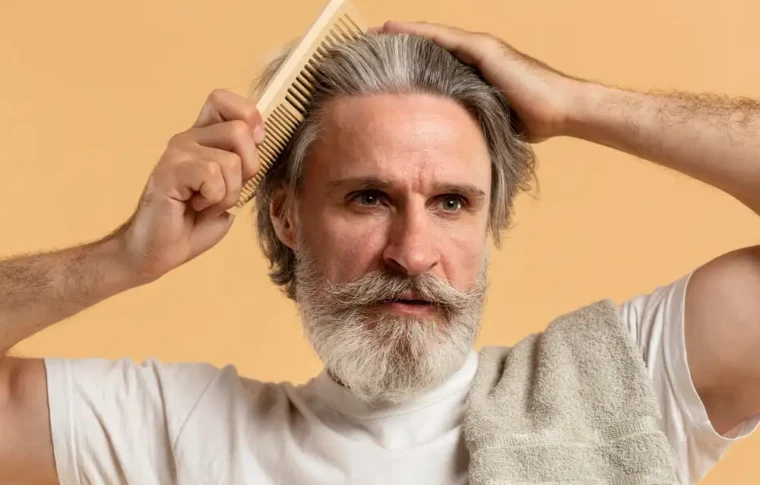
So, you’re on a GLP-1 medication, maybe for diabetes or weight loss, and you’ve noticed more hair in your brush than usual. It’s a bummer, right? You’re trying to get healthier, and then this happens. Most of the time, it’s not the medication itself causing the issue, but rather the rapid weight loss that comes with it. Think of it as your body adjusting to some big changes. The good news is, this kind of hair loss is usually temporary, and there are definitely ways to help your hair bounce back. We’ll go over what’s happening and what you can do about it, focusing on a solid glp-1 hair loss treatment approach.
Key Takeaways
- Hair loss while on GLP-1 medications is often linked to rapid weight loss, not the drug itself. This is usually a temporary condition called telogen effluvium.
- Ensure your diet is rich in protein, iron, zinc, and biotin, as nutrient deficiencies can worsen hair shedding during weight loss.
- Consider supplements like biotin or multivitamins if you suspect nutritional gaps, but talk to your doctor first.
- Gentle hair care practices, stress management, and good sleep hygiene can support hair health and resilience.
- If you’re concerned about hair loss, consult a dermatologist or your prescribing doctor to discuss potential glp-1 hair loss treatment options and rule out other causes.
Understanding GLP-1 Related Hair Loss
The Connection Between GLP-1 Medications and Hair Shedding
It’s pretty common to notice more hair in your brush or shower drain when you start taking GLP-1 medications. This can be a bit alarming, especially when you’re focused on improving your health. The thing is, it’s usually not the medication itself causing the hair loss. Instead, it’s often a side effect of the rapid weight loss that these drugs help facilitate. When your body sheds pounds quickly, it can put a kind of stress on your system that affects your hair growth cycle. Think of it like a temporary shock to your body’s normal rhythm.
Why Rapid Weight Loss Triggers Hair Loss
GLP-1 medications work by helping you feel fuller and slowing down digestion, which leads to weight loss. While this is great for health goals, losing weight too fast can trigger a specific type of hair shedding. Your body, under the stress of rapid change and potentially altered nutrient intake, can shift more hair follicles into a resting phase. This means that hairs that would normally continue to grow might instead enter a shedding phase a few months later. It’s a natural response to significant physical change, similar to how other major life events can impact your hair.
Telogen Effluvium: A Common Culprit
The type of hair loss most often linked to rapid weight loss, including that from GLP-1s, is called telogen effluvium. This isn’t a permanent condition, but rather a temporary phase where a larger-than-usual number of hairs enter the shedding (telogen) phase. This shedding typically becomes noticeable about two to four months after the triggering event, like significant weight loss or other bodily stress.
Here are some common triggers for telogen effluvium:
- Significant weight loss (especially more than 2-3 pounds per week)
- Major surgery or illness
- High fever or severe infection
- Emotional stress or trauma
- Hormonal changes (like childbirth or menopause)
- Nutritional deficiencies
The good news is that telogen effluvium is usually temporary. Once your body adjusts to the changes, and especially if you address any nutritional gaps, your hair growth cycle typically returns to normal, and shedding slows down. Patience is key here, as regrowth takes time.
Addressing Nutritional Gaps for Hair Health
When you’re on a GLP-1 medication, especially if you’re losing weight quickly, your body might not be getting all the nutrients it needs. This can really impact your hair. It’s not just about eating less; it’s about making sure what you do eat is packed with the good stuff your hair follicles depend on.
The Role of Protein in Preventing Hair Loss
Protein is like the building block for your hair. Each strand is mostly made of a protein called keratin. If you’re not getting enough protein, your body might start to ration it, and hair growth can slow down or even stop. This is especially true when you’re losing weight, as your body needs protein for repair and maintenance. Aiming for lean protein sources at every meal is a good strategy. Think chicken, fish, eggs, beans, and Greek yogurt. It helps keep your hair strong and can prevent that shedding you might be noticing.
Essential Vitamins and Minerals for Hair Follicles
Beyond protein, a whole host of vitamins and minerals play a part in keeping your hair healthy. Things like iron, zinc, biotin, and vitamin D are super important. Iron helps carry oxygen to your hair follicles, zinc is key for hair tissue growth and repair, and biotin is often linked to hair strength. Vitamin D also seems to play a role in hair follicle cycling. If any of these are low, it can throw things off balance. It’s a good idea to get some blood work done to see if you’re deficient in any of these areas. Sometimes, even with a good diet, absorption can be an issue, or rapid weight loss can deplete stores faster than you can replenish them. This is where targeted supplementation might come in handy, especially if you’re dealing with nutritional deficiencies.
Identifying and Correcting Nutrient Deficiencies
So, how do you figure out what’s missing? The best way is to talk to your doctor. They can order blood tests to check your levels of key nutrients like iron, vitamin D, zinc, and B vitamins. If a deficiency is found, they can recommend specific ways to correct it. This might involve dietary changes, or it could mean taking a supplement. It’s not about guessing; it’s about getting accurate information to guide your choices. Correcting these gaps can make a real difference in supporting your hair’s health and encouraging regrowth. Sometimes, just a few simple adjustments can help your hair bounce back.
Dietary Strategies to Support Hair Regrowth
Building a Nutrient-Rich, High-Protein Diet
When you’re losing weight, especially quickly, your body needs good fuel to keep everything running, including your hair follicles. Think of it like this: your hair is made of protein, so if you’re not getting enough, your body might start to ration it, and that can lead to shedding. That’s why focusing on protein at every meal is a big deal.
Aim for lean sources like chicken, turkey, fish, eggs, and Greek yogurt. These give your body the building blocks it needs. It’s not just about protein, though. Rapid weight loss can also mess with your nutrient levels, and that affects your hair too. Making sure you’re getting a good mix of vitamins and minerals is key for healthy hair growth.
Incorporating Iron-Rich Foods
Iron is super important for carrying oxygen to your hair follicles. If your iron levels dip, your hair might start to suffer. You can get more iron by adding foods like spinach, lentils, beans, and lean red meat to your meals. Cooking with cast iron pans can also give you a little extra iron boost. It might seem small, but these dietary tweaks can make a difference.
Focusing on Zinc and Biotin Sources
Zinc plays a role in hair tissue growth and repair. You can find it in foods like pumpkin seeds, chickpeas, nuts, and whole grains. Biotin, a B vitamin, is often talked about for hair health. Sweet potatoes, almonds, and eggs are good sources. Getting enough of these nutrients helps create a better environment for your hair to grow back strong.
Eating well isn’t just about the number on the scale; it’s about nourishing your body from the inside out. When you’re on a GLP-1 medication, paying attention to your diet becomes even more important for managing side effects like hair loss.
Medical-Grade Supplements and Their Role
Okay, so you’re on a GLP-1 medication and noticing some extra hair in your brush. It’s a common thing, and honestly, it can be a bit alarming. While we’ve talked about diet and other stuff, let’s get into supplements. These aren’t your average multivitamins; we’re talking about targeted support.
Clinically Studied Hair Loss Supplements
When you’re looking at supplements specifically for hair loss, especially when it’s linked to rapid weight loss from GLP-1s, you want to look for things that have actually been studied. It’s not just about popping a pill and hoping for the best. Some brands have put their products through trials to see if they really make a difference. These often work by tackling multiple issues at once, like stress, inflammation, and, of course, those pesky nutrient gaps that can pop up when you’re eating less. The goal is to support your hair follicles from the inside out.
Products like Nutrafol, for example, are designed with this in mind. They often have different formulas depending on your specific needs – whether that’s for men, women, or even a vegan option. They usually suggest a consistent regimen, and people often start seeing changes after a few months, maybe three to six, if they stick with it. It’s a bit of a waiting game, but it’s about building a foundation for healthier hair growth.
Supplements to Address Specific Deficiencies
Sometimes, hair loss is a direct signal that your body is missing something important. When you’re losing weight quickly, it’s easy to fall short on certain vitamins and minerals, even if you’re trying to eat well. Doctors often check for things like iron, vitamin D, and zinc levels because deficiencies in these can really impact your hair. If a deficiency is found, then targeted supplements can be super helpful. It’s like giving your hair exactly what it needs to get back on track. Daily supplements are available to offer nutritional support during your weight loss journey, acting as a GLP-1 ally.
Here are some common culprits and what they do:
- Iron: Helps red blood cells carry oxygen to your hair follicles. Low iron is a big one for hair loss.
- Vitamin D: Plays a role in hair follicle cycling. Many people are low in this.
- Zinc: Important for hair tissue growth and repair. It also helps keep the oil glands around the follicles working properly.
- Biotin (Vitamin B7): Often linked to hair health, it helps with keratin production.
Understanding Supplement Efficacy and Cost
Now, let’s talk about the reality of supplements. While some are clinically studied, it’s important to remember that the evidence for many isn’t as strong as for prescription medications. Some doctors are a bit skeptical because these supplements can get pretty pricey, and they aren’t approved by the FDA in the same way drugs are. However, if your hair loss is genuinely due to a lack of a specific nutrient, then a targeted supplement can be quite effective and often more affordable than other treatments. It really comes down to figuring out why you’re losing hair in the first place. If it’s a deficiency, supplements are a logical step. If it’s something else, they might not be the magic bullet.
It’s always a good idea to chat with your doctor or a dermatologist before you start taking a bunch of new supplements. They can help you figure out if you actually have any deficiencies and recommend the best course of action, which might include specific supplements or other treatments. Don’t just guess; get some professional input.
So, while supplements can be a great part of your plan, especially for addressing nutrient gaps, they work best when they’re part of a bigger picture that includes a good diet and overall health management. They’re a tool, not the whole solution.
Topical Treatments and Scalp Health
When you’re dealing with hair loss, especially while on GLP-1 medications, looking at what you put directly on your scalp can make a difference. It’s not just about what you’re eating or taking internally; the health of your scalp itself plays a big part in how well your hair can grow and stay put. Think of it like tending a garden – you need good soil for the plants to thrive.
Medicated Shampoos and Natural Topicals fro Hair Growth
Not all shampoos are created equal, and some can actually help your hair feel stronger and look fuller. Ingredients like biotin, jojoba, keratin and rosemary, for example, might be worth considering. It’s especially helpful if you have a tendency towards certain types of hair thinning. Biotin has been proven to increase the rate of hair growth by helping restore damaged follicle. Saw Palmetto is also proven to increase hair growth and density which can give your hair a boost, making it appear more voluminous and supporting the strands as they grow back. It’s about giving your existing hair the best chance to be healthy while new hair starts to emerge.
Exploring Platelet-Rich Plasma (PRP) Therapy
Platelet-Rich Plasma, or PRP therapy, is a bit more advanced. It involves taking a small amount of your own blood, processing it to concentrate the platelets, and then injecting that concentrated plasma back into your scalp. The idea behind this is that the growth factors in the platelets can help stimulate your hair follicles and speed up the regrowth process. It’s often considered when people feel like their hair growth is taking too long to return. While the scientific backing is still growing, some studies show it can be effective for certain types of hair loss. It’s a treatment that’s usually done in a clinical setting.
Taking care of your scalp is just as important as addressing internal factors when it comes to hair health. A healthy scalp provides a better environment for hair to grow and thrive, potentially reducing the impact of shedding associated with GLP-1 medications and weight loss.
Biotin Xtreme Hair Care: A Natural Solution for Hair Health
Biotin Xtreme Hair Care offers a comprehensive range of products designed to combat hair thinning and promote growth naturally. Their Biotin Shampoo is a 99.5% natural formula that not only cleanses but also targets the root causes of hair loss, such as DHT buildup, while nourishing the scalp with essential vitamins like Biotin B7 and Panax Ginseng. For those seeking deep conditioning, the Biotin & Keratin Conditioner combines the strengthening power of keratin with the growth-boosting benefits of biotin, leaving hair fuller, smoother, and easier to style. To complete the regimen, the Biotin Hair Restoration Spray acts as a potent DHT blocker and follicle stimulator, improving blood flow to the scalp and encouraging thicker, healthier hair growth. The key ingredient in the Hair Restoration Spray is Saw Palmetto that is a proven natural ingredient that increases hair count and density in current clinical studies.
These products are free from sulfates, parabens, and harmful chemicals, making them safe for all hair types, including color-treated hair. Whether you’re dealing with hair loss or simply want to enhance your hair’s natural vitality, Biotin Xtreme Hair Care provides a plant-based, drug-free solution to help you achieve your hair goals.
Lifestyle Adjustments for Hair Resilience
It’s easy to get caught up in the big picture of health changes, especially when you’re on a GLP-1 medication and seeing the scale move. But sometimes, the smaller, everyday habits can make a surprising difference for your hair. Think of it as giving your hair follicles a little extra support system while your body adjusts.
Managing Stress to Support Hair Growth
Stress is a sneaky one, and it can really mess with your hair’s growth cycle. When you’re stressed, your body can push more hair follicles into that resting phase, leading to shedding a few months down the line. So, finding ways to chill out is actually good for your hair.
- Try some deep breathing exercises: Even just a few minutes a day can help.
- Get moving: A brisk walk or some gentle yoga can work wonders.
- Journal your thoughts: Sometimes getting things out on paper helps.
- Prioritize sleep: Aim for 7-9 hours of quality sleep each night.
Remember, managing stress isn’t about eliminating it entirely, but about developing healthy coping mechanisms that work for you. Small, consistent efforts add up.
Gentle Hair Care Practices
Your hair might feel a bit more fragile right now, so treating it with kindness is key. Harsh treatments or rough handling can lead to breakage and make thinning look more noticeable.
- Wash gently: Use a mild shampoo and conditioner. Avoid scrubbing your scalp too hard.
- Be careful with heat: Try to limit blow-drying, straightening, or curling. If you must use heat, use the lowest setting and a heat protectant spray.
- Avoid tight hairstyles: Ponytails, braids, or buns that pull tightly on your hair can cause stress on the follicles. Opt for looser styles.
- Detangle with care: Use a wide-tooth comb, starting from the ends and working your way up, especially when your hair is wet.
The Impact of Sleep on Hair Health
Sleep is when your body does a lot of its repair work, and that includes your hair follicles. Not getting enough quality sleep can add to the stress your body is under, potentially impacting hair growth.
- Establish a routine: Try to go to bed and wake up around the same time each day, even on weekends.
- Create a relaxing bedtime ritual: This could involve reading, taking a warm bath, or listening to calming music.
- Make your bedroom a sleep sanctuary: Keep it dark, quiet, and cool.
Making these lifestyle adjustments can create a more supportive environment for your hair to recover and regrow. It’s all about supporting your body from the inside out and being gentle with yourself during this process.
When to Seek Professional Guidance
Look, dealing with hair loss on top of everything else that comes with GLP-1 medications can feel like a lot. It’s easy to just try and push through, hoping it sorts itself out. But sometimes, you really do need a professional to step in. If you’re noticing a significant amount of hair falling out, more than just a few extra strands here and there, it’s probably time to make a call.
Consulting a Dermatologist for Hair Loss Concerns
Your first stop for persistent hair loss should often be a dermatologist. These doctors specialize in skin, hair, and nails, so they’ve seen it all. They can help figure out if the shedding is directly related to your GLP-1 medication, or if something else is going on. Sometimes, it’s a combination of factors. They might look at your scalp, ask about your medical history, and maybe even do some blood tests. It’s not just about identifying the cause, but also about getting a plan to help your hair grow back healthier. They can discuss treatments like medicated shampoos or even more advanced options if needed.
Discussing Medication Adjustments with Your Doctor
It’s also super important to talk to the doctor who prescribed your GLP-1 medication. They need to know about any side effects you’re experiencing, including hair loss. While hair shedding is a known potential side effect, especially with rapid weight loss, your doctor can help assess if the amount you’re losing is typical or if there might be an issue with the dosage or medication itself. They can review your overall health and discuss if any adjustments are possible or necessary. Remember, they are there to help you manage your treatment safely and effectively. Don’t hesitate to bring up your concerns about hair loss during your appointments; it’s a valid part of your health journey. You can find more information about GLP-1 medications and hair loss to prepare for this conversation.
Reassurance and Patience During Recovery
One thing to keep in mind is that hair growth cycles are long. Even after you and your doctor identify the cause and start a treatment plan, it takes time to see results. It’s not like flipping a switch. You might feel discouraged, but patience is key here. Most of the time, hair loss related to GLP-1s and rapid weight loss is temporary. Your hair should start to recover as your body adjusts and with the right support. It’s also helpful to remember that you’re not alone in this. Many people experience hair changes during significant health journeys. Focusing on a balanced diet, managing stress, and following your doctor’s advice will all contribute to your recovery. Be kind to yourself during this process; it’s a marathon, not a sprint.
If you’re unsure about what steps to take next, don’t hesitate to reach out. We’re here to help you understand your options and find the best path forward. Visit our website today to learn more and schedule a chat with our experts.
Wrapping Up: Your Hair and GLP-1s
So, if you’re noticing more hair in your brush while on a GLP-1 medication, try not to panic. It’s usually not the drug itself causing the issue, but rather the rapid weight loss and the changes your body is going through. The good news is that this kind of hair loss is typically temporary. Focus on eating well, getting enough nutrients, and managing stress. If you’re concerned, chat with your doctor. They can help figure out if you need supplements, like natural biotin shampoos or sprays, or other options to help your hair bounce back. Remember, patience is key, and with the right approach, your hair should start to recover as your body adjusts.
Frequently Asked Questions
Why am I losing hair while taking GLP-1 medicine?
It’s usually not the medicine itself, but the fast weight loss it causes. When your body loses weight quickly, it can go into a temporary stress mode, which affects your hair growth cycle. Also, eating less might mean you’re not getting enough important nutrients for your hair, like protein and iron.
Is this hair loss permanent?
Most of the time, no. Hair loss linked to GLP-1 medicines and rapid weight loss is usually temporary. Once your body gets used to the changes and your weight becomes more stable, your hair should start to grow back normally.
How can I help my hair grow back?
Eating plenty of protein, iron, zinc, and biotin is key. You can get these from foods like lean meats, eggs, spinach, nuts, and seeds. Using gentle hair care products and managing stress can also help.
Are there special shampoos or products that can help?
Yes, some shampoos with ingredients like ketoconazole, biotin, or peptides can help strengthen your hair. Products like natural biotin shampoo and DHT blocker sprays might also support hair health. Minoxidil is a common treatment that can help regrow hair.
Should I take supplements for hair loss?
Supplements can be helpful if you’re lacking certain nutrients. Biotin, Vitamin D, iron, and zinc are often recommended. However, it’s best to talk to your doctor first to see if you actually need them and which ones are right for you.
When should I see a doctor about my hair loss?
If you’re worried about your hair loss, it’s a good idea to talk to your doctor or a dermatologist. They can help figure out the exact cause and suggest the best treatment plan for you, making sure it doesn’t interfere with your diabetes management.